Arun Govil in Ramayana: How Does He Embody King Dasharatha Across Generational Legacy, Look, and Performance?
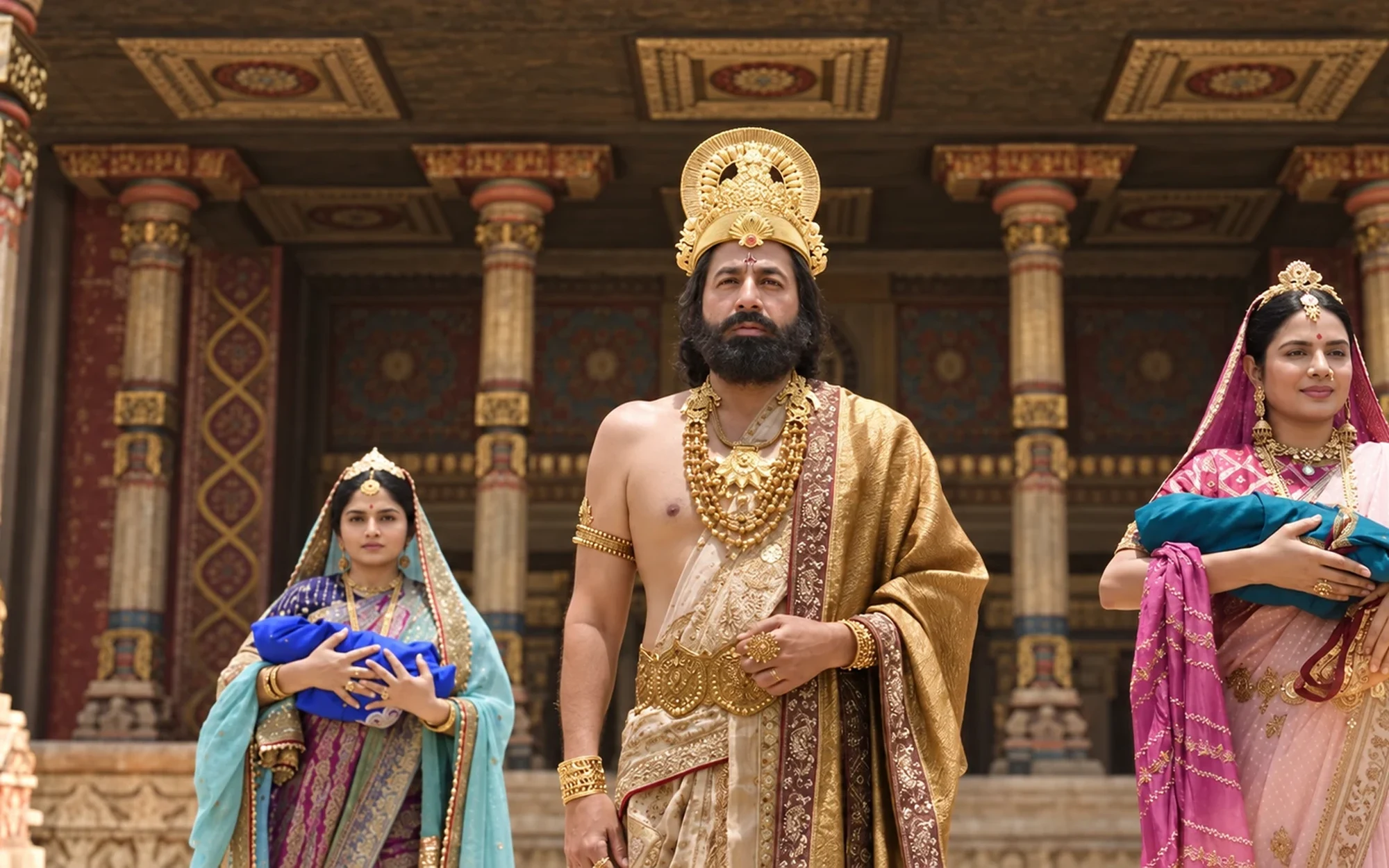
Legendary veteran actor and Member of Parliament Arun Govil portrays King Dasharatha, the noble sovereign of Ayodhya and father of Lord Rama, in director Nitesh Tiwari's landmark cinematic production Ramayana: Part One. Producers Namit Malhotra of Prime Focus Studios and Yash of Monster Mind Creations finalized Govil's casting to create an iconic generational bridge, casting the historic television Rama of Ramanand Sagar's 1987 classic as the royal father to Ranbir Kapoor's Rama. Worldwide theatrical distribution coordinated by Sony Pictures International launches on November 6, 2026 across international territories, followed by the domestic Indian theatrical release on Sunday, November 8, 2026 (Diwali festive window).
Govil completed his primary live-action dramatic filming at Film City in Mumbai between April and June 2024, delivering a deeply moving performance that captures Dasharatha's royal majesty, paternal devotion, and tragic emotional collapse under the weight of an unbending sacred vow.
The foundational parameters defining Arun Govil's casting and theatrical engagement appear in the table below:
| Detail | Information |
|---|---|
| Actor | Arun Govil |
| Ramayana Character | King Dasharatha (Monarch of Kosala / Father of Lord Rama) |
| Movie | Ramayana: Part One |
| Part / Installment | Part 1 (Diwali 2026 - Central Dramatic Pillar) |
| Director | Nitesh Tiwari |
| Producer / Production Company | Namit Malhotra (Prime Focus Studios) & Yash (Monster Mind Creations) |
| Actor Involvement Status | Confirmed (Contracted Lead Veteran Star) |
| Character Appearance Status | Confirmed for Part One (Archival / Visionary Sequences in Part Two) |
| Performance Type | Live-Action Dramatic Performance with Large-Format 6.5K Capture |
| International Release Date | November 6, 2026 (45 Global Territories) |
| India Release Date | November 8, 2026 (Diwali Festive Window) |
| Latest Verification Date | September 2026 |
The listed parameters establish the operational and cinematic scope of Arun Govil's participation in the production.
What Is the Latest Production and Release Status of Ramayana: Part One?
Principal photography for Ramayana: Part One is 100% officially completed, with the technical teams advancing through an active 560-day post-production and visual effects window supervised by DNEG. Filming commenced at Film City in Goregaon East, Mumbai, on April 2, 2024, utilizing hand-carved palace architecture and Vedic sacrificial pavilions spanning 4.86 hectares (12 acres). Primary live-action photography wrapped on July 10, 2024, after which technical units transitioned to Pinewood Studios in London for Unreal Engine 5.4 in-camera visual effects (ICVFX) volume capture that concluded on February 15, 2025.
Creative leaders reviewed a locked 160-minute rough-cut assembly in Los Angeles on January 24, 2026, praising the profound emotional weight of the Ayodhya court drama. The editorial department locked the final theatrical running time at 190 minutes (3 hours 10 minutes), earning a U/A certification from the Central Board of Film Certification (CBFC).
Who Does Arun Govil Play in Ramayana and What Is King Dasharatha's Narrative Identity?
Arun Govil portrays King Dasharatha, the illustrious ruler of the Ikshvaku dynasty (Suryavansha) and sovereign of the Kosala kingdom with its capital at Ayodhya. Classical scripture describes Dasharatha as a peerless chariot warrior (Dasha-Ratha, meaning one whose chariot could move in ten directions) who defended celestial realms alongside the gods. Despite unyielding military power, Dasharatha's deepest inner agony was childlessness, leading to the performance of the sacred Putra Kameshthi Yajna, which granted him four divine sons: Rama, Bharata, Lakshmana, and Shatrughna.
The primary interpersonal bonds and narrative connections defining King Dasharatha include:
- ◆Lord Rama represents Dasharatha's eldest, dearest son whose virtue forms the joy and ruin of his existence, played by Ranbir Kapoor.
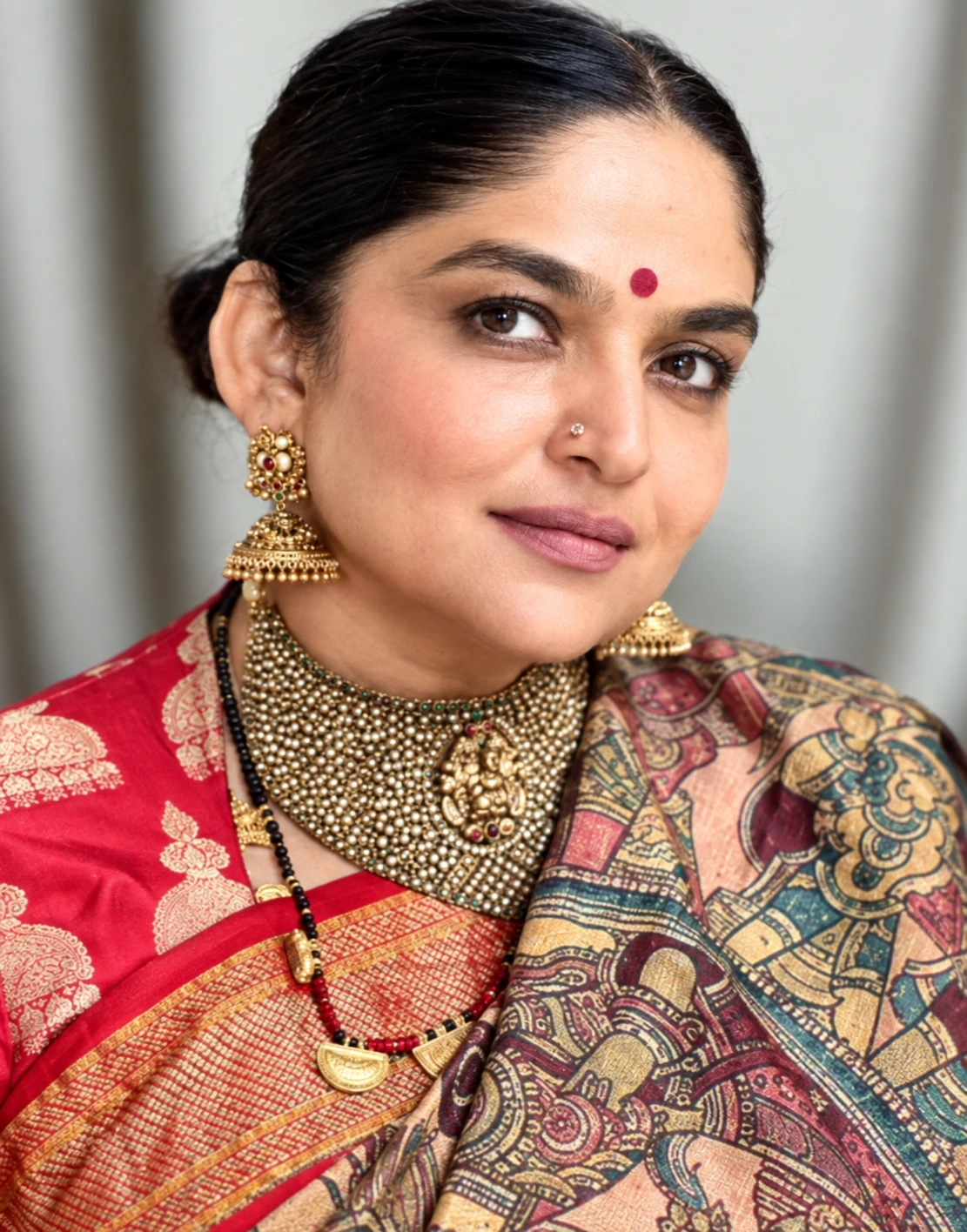
- ◆Queen Kaushalya represents Dasharatha's senior queen and mother of Rama, portrayed by Indira Krishnan.
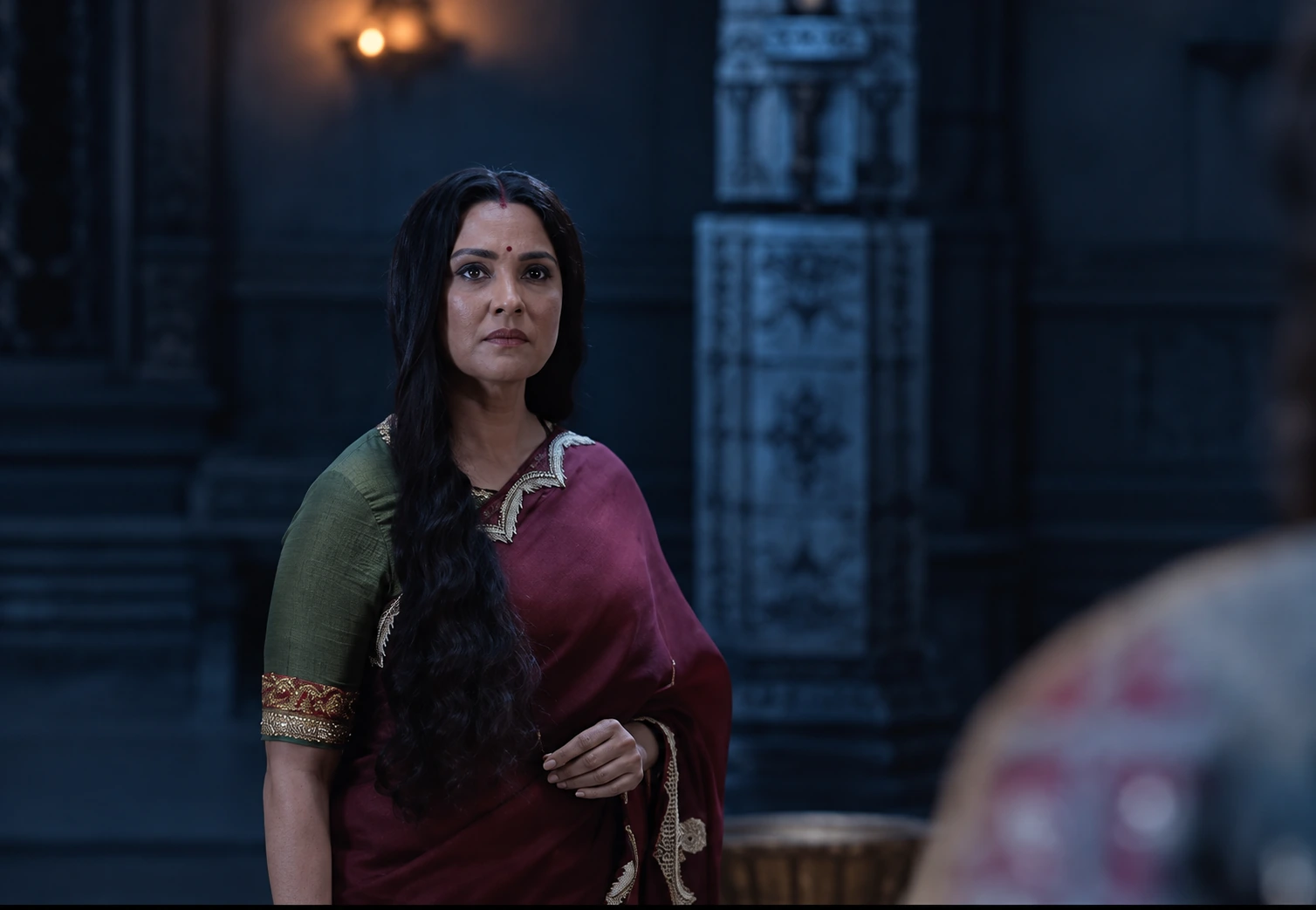
- ◆Queen Kaikeyi represents Dasharatha's beloved second queen whose invocation of two ancient boons shatters his heart, played by Lara Dutta.
- ◆Queen Sumitra represents Dasharatha's wise third queen, mother of Lakshmana and Shatrughna.
- ◆Prince Lakshmana represents his fiercely devoted son who challenges the banishment decree, portrayed by Ravi Dubey.
- ◆Prince Bharata represents Kaikeyi's righteous son who repudiates his mother's manipulation to honor Rama, played by Addinath Kothare.
Classical texts frame Dasharatha as a tragic archetype of righteous kingship bound by honor (Raghukul Reet). Nitesh Tiwari's cinematic adaptation treats Dasharatha's dilemma with immense dramatic sophistication, presenting a ruler torn between royal duty, moral truth, and unbearable fatherly grief.
What Is King Dasharatha's Role in Ramayana: Part One?
The narrative arc of Part One positions King Dasharatha as the foundational catalyst of the entire epic drama, guiding the narrative through the Bala Kanda and the devastating emotional climax of the Ayodhya Kanda. Director Nitesh Tiwari structured Part One to give full cinematic weight to the royal court politics of Ayodhya before the princes venture into the wilderness.
The critical narrative milestones confirmed for Arun Govil in Part One include:
- ◆The sacred Putra Kameshthi Yajna fire prayer sequence depicts Dasharatha praying for divine lineage to protect cosmic order.
- ◆The proud royal reception of Sage Vishwamitra tests Dasharatha's fatherly attachment as he reluctantly surrenders young Rama and Lakshmana to fight demons.
- ◆The triumphant Mithila wedding celebrations showcase Dasharatha rejoicing in the marriage of his four sons.
- ◆The royal coronation council depicts Dasharatha announcing Prince Rama as the rightful Yuvaraja (crown prince) of Ayodhya.
- ◆The devastating Kopabhavan confrontation reveals Dasharatha pleading on his knees before Queen Kaikeyi to spare Rama from exile.
- ◆The heartbreaking farewell at the royal gates depicts Dasharatha collapsing as Rama, Sita, and Lakshmana depart into the forest.
- ◆The tragic passing of Dasharatha from intense paternal grief (Putrashoka) fulfills the ancient curse of the blind hermit couple whose son Shravan Kumar Dasharatha accidentally killed.
Promotional roadmaps indicate that Arun Govil commands approximately 35 to 40 minutes of high-intensity dramatic screen time in Part One, establishing the tragic emotional core of the film.
How Did Director Nitesh Tiwari and Casting Director Mukesh Chhabra Cast Arun Govil?
Casting director Mukesh Chhabra and director Nitesh Tiwari specifically designed the role of Dasharatha for Arun Govil, recognizing that his presence would carry unprecedented cultural and nostalgic resonance. Govil's historic portrayal of Lord Rama in Ramanand Sagar's 1987 television series transformed him into a living cultural icon across India, making his transition to King Dasharatha a poetic cinematic succession.
The casting milestones developed across several deliberate stages:
- ◆Nitesh Tiwari initiated personal discussions with Arun Govil in Mumbai during late 2023, presenting his directorial vision for a grounded, emotionally profound Dasharatha.
- ◆Govil expressed deep admiration for the scriptural fidelity of the screenplay and the respectful generational transition it represented.
- ◆Screen tests conducted in early 2024 evaluated Govil's royal presence in elaborate Suryavanshi regalia, revealing an organic paternal warmth alongside Ranbir Kapoor.
- ◆Producer Namit Malhotra finalized the contract, highlighting Govil's casting as a sacred endorsement of the new adaptation by the classic television era.
- ◆Mukesh Chhabra publicly noted that Govil's eyes convey an innate spiritual grace that requires zero artificial acting embellishment.
Govil's casting was received with universal enthusiasm by film trade analysts, who recognized it as a masterstroke of casting psychology.
What Preparation, Vocal Work, and Dramatic Immersion Did Arun Govil Complete?
An extensive four-month dramatic immersion and voice coaching schedule prepared Arun Govil to embody the tragic complexity of King Dasharatha. Having portrayed Lord Rama for decades, Govil had to shift his internal artistic perspective from filial obedience to paternal vulnerability.
The primary preparation protocols comprised several specialized disciplines:
- ◆Emotional recall workshops explored the psychological devastation of a father forced to choose between his word of honor and his beloved son.
- ◆High-register classical Hindi dialogue coaching refined his breath support and cadence for long royal decrees and agonizing deathbed laments.
- ◆Historical court posture training ensured that Dasharatha's royal physical bearing deteriorated realistically under the weight of grief and paralysis.
- ◆Scriptural study sessions analyzing the Ayodhya Kanda of Valmiki's text refreshed Govil's understanding of the Shravan Kumar curse backstory.
- ◆Rehearsal readings with Lara Dutta perfected the intense emotional warfare of the Kopabhavan chamber scenes.
Govil's disciplined approach allowed him to access deep reservoirs of dramatic sorrow, delivering an unforgettable portrait of royal heartbreak.
What Defines Arun Govil's Look, Costumes, and Styling as King Dasharatha?
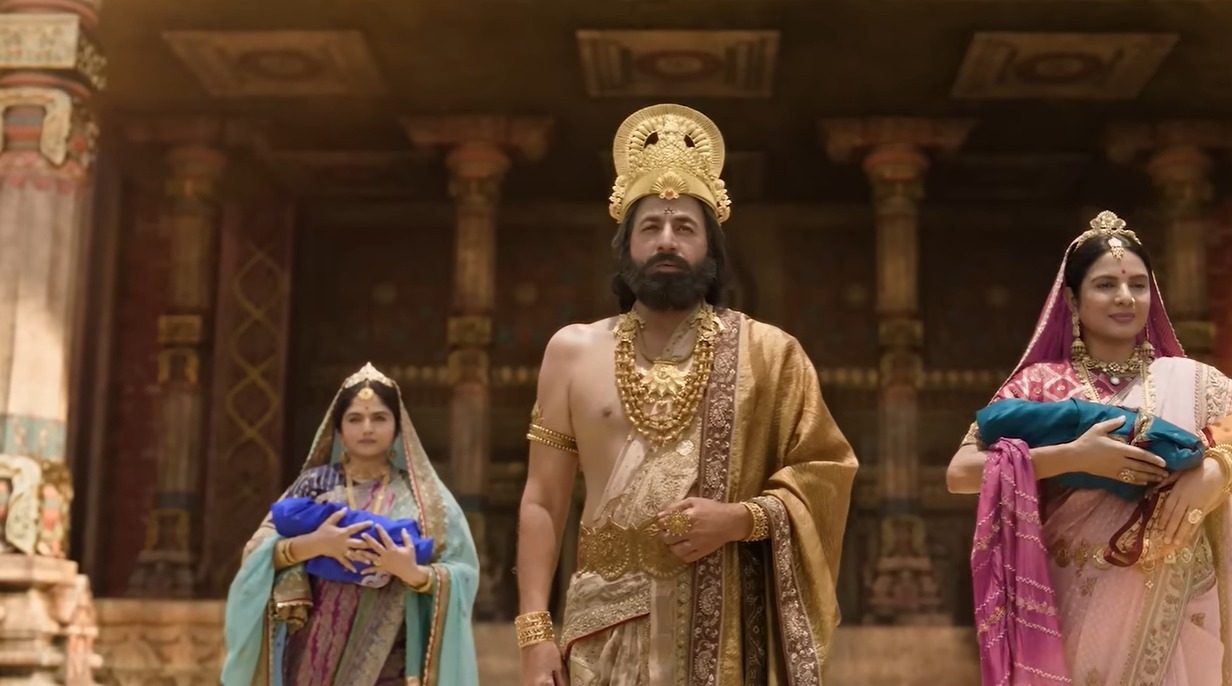
Celebrated costume designers Rimple and Harpreet Narula designed King Dasharatha's wardrobe to reflect the pinnacle of Suryavanshi imperial grandeur. The visual design avoids gaudy modern theatrical costumes, utilizing authentic hand-loomed textiles, hand-beaten precious metals, and historical motifs.
The signature aesthetic elements defining Arun Govil's on-screen appearance include:
- ◆Flowing royal robes (Angarkhas) crafted from pure crimson and purple Banarasi brocade silk with genuine gold wirework (Zari) define his court regalia.
- ◆An antique hand-beaten gold crown (Kirit Mukuta) embedded with unpolished rubies, emeralds, and natural pearls signifies his sovereign authority.
- ◆Layered pearl necklaces (Mukta Mala) and heavy gold armlets (Bajuband) signify the ancient prosperity of the Kosala kingdom.
- ◆A natural silver-streaked beard and long regal hair convey age, dignified wisdom, and the toll of political responsibility.
- ◆Simple unbleached white silk drapes replace his golden ornaments during his final tragic chamber scenes, symbolizing his spiritual detachment and despair.
Leaked on-set photographs from Film City in April 2024 revealed Govil in magnificent purple and gold silks alongside Lara Dutta, earning widespread acclaim across national media for regal authenticity.
What Is the Filming Schedule and Production Timeline for Arun Govil's Scenes?
Arun Govil completed 28 days of live-action filming across the grand Ayodhya palace sets constructed at Film City in Mumbai. His shooting schedule encompassed the most emotionally demanding court and chamber sequences of Part One.
The key production milestones for Govil unfolded as follows:
- ◆Filming commenced on April 2, 2024, with the lavish royal court assembly scenes and the announcement of Rama's coronation.
- ◆The intricate Putra Kameshthi Yajna fire sacrifice sequence was filmed over five days in mid-April 2024 on an outdoor Vedic pavilion set.
- ◆The emotionally grueling Kopabhavan confrontation scenes with Lara Dutta were filmed in early May 2024.
- ◆The tragic palace courtyard farewell and Dasharatha's subsequent death sequence wrapped live-action shooting on June 18, 2024.
- ◆Final automated dialogue replacement (ADR) and voice mastering concluded at Prime Focus Studios in Mumbai in December 2025.
The production team completed Govil's scenes on schedule, enabling him to transition smoothly into his public parliamentary commitments.
Who Are Arun Govil's Key Co-Stars and On-Screen Dynamics?
A distinguished ensemble of acclaimed performers shares dramatic scenes with Arun Govil throughout the Ayodhya chapters of Ramayana: Part One. The emotional resonance of these interactions anchors the tragedy of the royal family.
The primary acting relationships and dramatic intersections include:
- ◆Ranbir Kapoor as Lord Rama represents the core emotional bond, creating a poignant dynamic where Dasharatha's unshakeable love contrasts with Rama's serene acceptance of exile.
- ◆Lara Dutta as Queen Kaikeyi shares blistering dramatic confrontations, as Dasharatha moves from doting affection to agonizing betrayal and repudiation.
- ◆Indira Krishnan as Queen Kaushalya shares moving scenes of shared parental grief and marital solidarity in the face of sudden tragedy.
- ◆Ravi Dubey as Prince Lakshmana provides a fiery counterpoint, as Dasharatha endures Lakshmana's youthful fury over the banishment.
- ◆Addinath Kothare as Prince Bharata shares poignant retrospective moments highlighting Dasharatha's tragic yearning for his absent son.
The generational dynamic between Arun Govil and Ranbir Kapoor has been cited by production insiders as one of the most emotionally charged elements of the film.
How Does Nitesh Tiwari's Adaptation of King Dasharatha Compare to Ancient Texts?
Director Nitesh Tiwari remained scrupulously faithful to the psychological depth found in the Valmiki Ramayana, avoiding the melodramatic simplifications often seen in commercial theater. Valmiki depicts Dasharatha not as a weak-willed monarch, but as a warrior-king trapped in an insoluble ethical paradox between his sacred word (Satya) and his personal affection (Sneha).
The comparative alignments between classical texts and Tiwari's adaptation include:
- ◆Valmiki details Dasharatha's profound understanding of dharma and his agony over breaking his word; Tiwari's screenplay captures this philosophical struggle with high dramatic tension.
- ◆Classical tradition recounts the backstory of the Shravan Kumar curse; the film presents this narrative as a haunting guilt-ridden memory that consumes Dasharatha's final hours.
- ◆The Kopabhavan chamber dialogue follows the metric arguments of the original Sanskrit text, showcasing Dasharatha's desperate offers of wealth, territory, and his own life in exchange for Rama's stay.
- ◆The depiction of Dasharatha's passing emphasizes the spiritual vacuum created in Ayodhya, avoiding superficial weeping in favor of profound existential shock.
This strict textual adherence ensures that Dasharatha's tragedy evokes classic Aristotelian and Vedic catharsis.
What Are the Confirmed Facts, Industry Reports, and Debunked Rumors Regarding Arun Govil's Role?
The announcement of Arun Govil's participation in Ramayana generated tremendous public curiosity across generations of viewers. A verified evidentiary ledger clarifies documented facts against unverified rumors.
The verified factual parameters are categorized below:
- ◆Confirmed parameters include Arun Govil's casting as King Dasharatha in Ramayana: Part One, his participation in April to June 2024 live-action filming at Film City, and his costumes designed by Rimple and Harpreet Narula.
- ◆Reported parameters include an estimated remuneration package of ₹1.5 to 2 Crore for his intensive dramatic schedule and his involvement in promotional prologue events.
- ◆Debunked rumors include false claims that Govil originally turned down the role, rumors that he would also cameo as Lord Rama in a dream sequence, and false reports that his political duties caused shooting delays.
Clear factual boundaries preserve public trust and maintain accurate cinematic history.
What Are the Contractual Terms, Remuneration, and Industry Standing for Arun Govil?
Arun Govil signed a dedicated feature contract with Prime Focus Studios and Monster Mind Creations, reflecting his stature as a respected veteran artist and cultural icon. The agreement focused on his intensive dramatic role in Part One, with potential archival or flashback appearances in Part Two.
The contractual terms and financial parameters include:
- ◆Leading trade sources report Govil's acting fee at approximately ₹1.5 to 2 Crore ($180,000 to $240,000 USD) for his critical dramatic schedule.
- ◆The contract guarantees prominent billing alongside the principal ensemble across all official promotional material and theatrical title credits.
- ◆Govil agreed to participate in select cultural launch events and media interactions in Ayodhya, Mumbai, and New Delhi ahead of theatrical release.
- ◆Strict legal clauses prohibited unauthorized public statements regarding on-set photographs and script nuances ahead of official trailers.
This formal arrangement honors Govil's irreplaceable contribution to the legacy of Ramayana storytelling on screen.
What Breakthrough Roles and Career Milestones Led Arun Govil to Ramayana?
Arun Govil's artistic journey represents a unique chapter in Indian cultural history, beginning as a romantic leading man in Rajshri Productions blockbusters before achieving divine status in Ramanand Sagar's television masterpiece. His portrayal of Lord Rama in 1987 became an unprecedented social phenomenon, causing cities across India to come to a standstill during Sunday morning broadcasts.
The seminal career milestones defining his cinematic legacy include:
- ◆Paheli (1977) launched his feature film career under Rajshri Productions, establishing his gentle, dignified screen presence.
- ◆Sawan Ko Aane Do (1979) emerged as a massive musical romance blockbuster, cementing his status as a popular leading man.
- ◆Saanch Ko Aanch Nahin (1979) showcased his dramatic depth alongside veteran actors, earning strong critical praise.
- ◆Vikram Aur Betaal (1985) introduced him to television audiences as the noble and resolute King Vikramaditya.
- ◆Ramayan (1987-1988) transformed him into a living cultural deity, as his portrayal of Lord Rama touched hundreds of millions of viewers across the globe.
- ◆OMG 2 (2023) and Article 370 (2024) demonstrated his continued dramatic vitality and relevance in contemporary commercial cinema.
His lifelong association with the Ramayana made his return to the epic as King Dasharatha a monumental cultural event.
What Previous Mythological, Historical, or High-Stakes Roles Contextualize This Casting?
Arun Govil possesses decades of unparalleled experience in mythological cinema and television, giving him an innate authority that no other actor in Indian cinema can match. His entire artistic profile has been defined by dignified, sacred characterizations.
The contextual career achievements in his filmography include:
- ◆Portraying Lord Rama in Ramanand Sagar's Ramayan established the definitive visual and vocal benchmark for Vedic divinity in modern Indian consciousness.
- ◆Portraying King Vikramaditya in Vikram Aur Betaal honed his ability to convey royal wisdom, legal justice, and philosophical composure.
- ◆Portraying Lord Shiva in mythological tele-serials and regional cinema displayed his versatile understanding of diverse Hindu deities.
- ◆Portraying the Prime Minister of India in Article 370 (2024) demonstrated his continued capacity to command modern high-stakes political authority.
This unparalleled body of work gave Govil an unmatched intuitive understanding of Suryavanshi royal decorum.
What Awards, Critical Acclaim, and Industry Standing Distinguish Arun Govil?
Arun Govil holds an enduring position of cultural reverence in India, recognized not only with cinematic awards but with the affectionate devotion of millions. His contribution to national integration and cultural preservation through television has been recognized at the highest levels of society.
His primary honors and industry distinctions include:
- ◆The prestigious Dadasaheb Phalke Academy Award honored his historic contribution to Indian television and mythological storytelling.
- ◆The Zee Cine Awards and Indian Television Academy recognized him with Special Lifetime Recognition honors for his portrayal of Lord Rama.
- ◆The national broadcast of Ramayan during the 2020 pandemic lockdown set a Guinness World Record for the most-watched television entertainment show globally, averaging 77 million viewers per episode.
- ◆In 2024, the citizens of Meerut elected him to the Indian Parliament (Lok Sabha), affirming his immense public trust and moral standing.
This extraordinary cultural stature ensures that his performance as King Dasharatha carries unprecedented emotional authority.
How Does Arun Govil's Creative Relationship with the Filmmakers Function?
A deeply respectful collaboration between Arun Govil and director Nitesh Tiwari shaped the dignified atmosphere of the Ayodhya court scenes. Tiwari, who grew up watching Govil's television performance, approached the veteran actor with profound personal and professional deference.
The primary dimensions of this creative partnership include:
- ◆Nitesh Tiwari sought Govil's guidance on nuances of Vedic court etiquette and traditional phrasing during pre-production script readings.
- ◆Producers Namit Malhotra and Yash ensured that Govil was accorded the highest level of comfort and artistic respect on set.
- ◆Govil worked closely with Ranbir Kapoor, offering warm personal encouragement and sharing insights into the emotional weight of carrying Rama's legacy.
- ◆Cinematographers Arthur Wilson and Sanu John Varghese framed Govil with soft, majestic lighting that emphasized his serene, patriarchal dignity.
This harmonious creative environment enabled Govil to deliver a performance of timeless emotional resonance.
What Is Arun Govil's Complete Biographical Profile?
Arun Govil was born on January 12, 1958, in Meerut, Uttar Pradesh, into a respected academic family. His father Shri Chandra Prakash Govil worked as a municipal officer who emphasized classical education, discipline, and moral values.
His formative background, education, and early life include:
- ◆Schooling took place in Meerut, where he was an outstanding student and active participant in school drama productions.
- ◆He earned a Bachelor of Science (BSc) degree from Chaudhary Charan Singh University in Meerut and later pursued engineering studies.
- ◆In 1975, he moved to Mumbai to assist his elder brother in a manufacturing business before an audition at Rajshri Productions launched his film career.
- ◆He married actress Shrilekha Govil, and the couple has two children, Sonamal and Amal Govil.
- ◆In March 2024, he entered active electoral politics, successfully contesting the 18th Lok Sabha elections from Meerut as a candidate of the Bharatiya Janata Party.
His blend of academic intellect, dignified personal conduct, and decades of cultural service has made him a widely revered public figure.
What Is Arun Govil's Chronological Career Milestone Timeline?
A sequential record charts the decisive professional landmarks that established Arun Govil as an iconic cultural figure.
The chronological career milestones are structured below:
- ◆1977: Makes his silver screen acting debut in Rajshri Productions' acclaimed family drama Paheli.
- ◆1979: Achieves commercial breakthrough stardom with the musical romance hit Sawan Ko Aane Do.
- ◆1981: Stars in the classic social drama Jiyo To Aise Jiyo, continuing his successful association with Rajshri Productions.
- ◆1985: Takes on the titular role of King Vikramaditya in Sagar Arts' television hit Vikram Aur Betaal.
- ◆1987: Debuts as Lord Rama in Ramanand Sagar's Ramayan, creating an unprecedented worldwide cultural phenomenon.
- ◆1992: Stars in the historical epic Shiv Mahapuran, expanding his mythological acting repertoire.
- ◆2020: Ramayan rebroadcast during lockdown sets a global viewership world record, introducing Govil to Generation Z.
- ◆2023: Returns to commercial feature films with an acclaimed dramatic turn in OMG 2.
- ◆2024: Elected Member of Parliament (Lok Sabha) from Meerut and completes filming as King Dasharatha in Ramayana: Part One.
- ◆2026: Theatrical release of Ramayana: Part One, completing a historic generational circle in Indian cinema.
This timeline reflects an extraordinary life journey intertwined with the spiritual and cultural history of modern India.
What Is Arun Govil's Curated Filmography and Performance Record?
Arun Govil's performance portfolio spans over 50 feature films and multiple landmark television productions across five decades.
The curated performance record below highlights his signature acting achievements:
| Year | Project Title | Medium | Role | Key Distinction / Critical Impact |
|---|---|---|---|---|
| 1977 | Paheli | Film | Balram | Feature film debut; Rajshri Productions |
| 1979 | Sawan Ko Aane Do | Film | Brij Mohan | Major musical blockbuster; career-defining hit |
| 1979 | Saanch Ko Aanch Nahin | Film | Ajay | Critically acclaimed social courtroom drama |
| 1985 | Vikram Aur Betaal | Television | King Vikramaditya | Seminal television classic; Sagar Arts |
| 1987 | Ramayan | Television | Lord Rama | Historic cultural milestone; world record viewership |
| 1989 | Luv Kush | Television | Lord Rama | Follow-up television series exploring Uttara Kanda |
| 1992 | Shiv Mahapuran | Television | Various | Mythological exploration of Shaivite traditions |
| 2023 | OMG 2 | Film | Principal Atal Nath Maheshwari | Acclaimed contemporary social drama |
| 2024 | Article 370 | Film | Prime Minister of India | Major political thriller; strong critical reception |
| 2026 | Ramayana: Part One | Film | King Dasharatha | Epic cinematic adaptation; monumental passing of the torch |
The curated record demonstrates his enduring versatility across both sacred and contemporary dramatic narratives.
What Are Arun Govil's Recent, Concurrent, and Upcoming Film Projects?
Arun Govil balances his legislative responsibilities as a Member of Parliament with selective cinematic appearances that offer substantive, dignified roles.
The concurrent and upcoming projects in his active portfolio include:
- ◆Ramayana: Part One (releasing November 2026) represents his primary cinematic release, anchoring the tragic emotional core of Ayodhya.
- ◆Ramayana: Part Two (2027) may feature Govil in key spiritual visions or memory sequences guiding Lord Rama during moments of deep battlefield contemplation.
- ◆Upcoming socially relevant Hindi feature films focused on Indian history and cultural preservation currently in script review.
- ◆Ongoing parliamentary representation and constituency infrastructure initiatives across the Meerut district of Uttar Pradesh.
This balanced combination of public leadership and artistic excellence underscores his enduring relevance in Indian public life.
What Are Arun Govil's Verified Personal Details and Public Commitments?
Arun Govil maintains a tranquil, spiritually grounded personal lifestyle, known for his humility, simple habits, and avoidance of commercial glamour. His personal values reflect the moral integrity he championed on screen.
His verified personal attributes and public commitments include:
- ◆Daily routines prioritize spiritual reading, classical music, and quiet reflection, sustaining an inner calm that informs his public interactions.
- ◆As a Member of Parliament, he actively focuses on improving healthcare facilities, rural education, and sports infrastructure in Western Uttar Pradesh.
- ◆He frequently participates in cultural and literary symposiums celebrating ancient Indian literature, Sanskrit poetry, and ethical leadership.
- ◆His dietary lifestyle follows strict vegetarian principles, aligning with his lifelong personal discipline.
- ◆Family life remains central, maintaining close bonds with his children and grandchildren in Mumbai and Meerut.
These steadfast principles have earned him enduring respect across political, cultural, and artistic spectrums.
Frequently Asked Questions Regarding Arun Govil as King Dasharatha in Ramayana?
Veteran actor and Member of Parliament Arun Govil plays King Dasharatha in Nitesh Tiwari's Ramayana: Part One.
Related Cast Profiles & Production Guides
Readers seeking deeper understanding of the production architecture, cast, and creative decisions can explore the specialized resources below:
explores the archery training, ascetic forest look, and multi-part role of the lead hero.
details the casting, dramatic confrontation scenes, and look design of the complex second queen.
examines the emotional performance and mother-son bond with Ranbir Kapoor's Rama.
provides verified timelines for global theatrical distribution and preview screenings.
details the 18-month historical textile research conducted by Rimple and Harpreet Narula.
The factual assertions, casting details, and production milestones compiled in this actor profile are verified by documented trade publications, press releases, and production filings:
- •Formal production confirmations issued by Namit Malhotra (Prime Focus Studios) and Yash (Monster Mind Creations) in November 2024.
- •Exclusive trade reporting by Pinkvilla, The Times of India, and India Today confirming Arun Govil's casting as King Dasharatha.
- •On-set photographic evidence documented during live-action filming at Film City Goregaon in April and May 2024.
- •Technical bulletins from Pinewood Studios and DNEG detailing virtual volume capture and optical camera setups.
- •Public statements and interviews granted by director Nitesh Tiwari and casting director Mukesh Chhabra regarding Govil's casting.